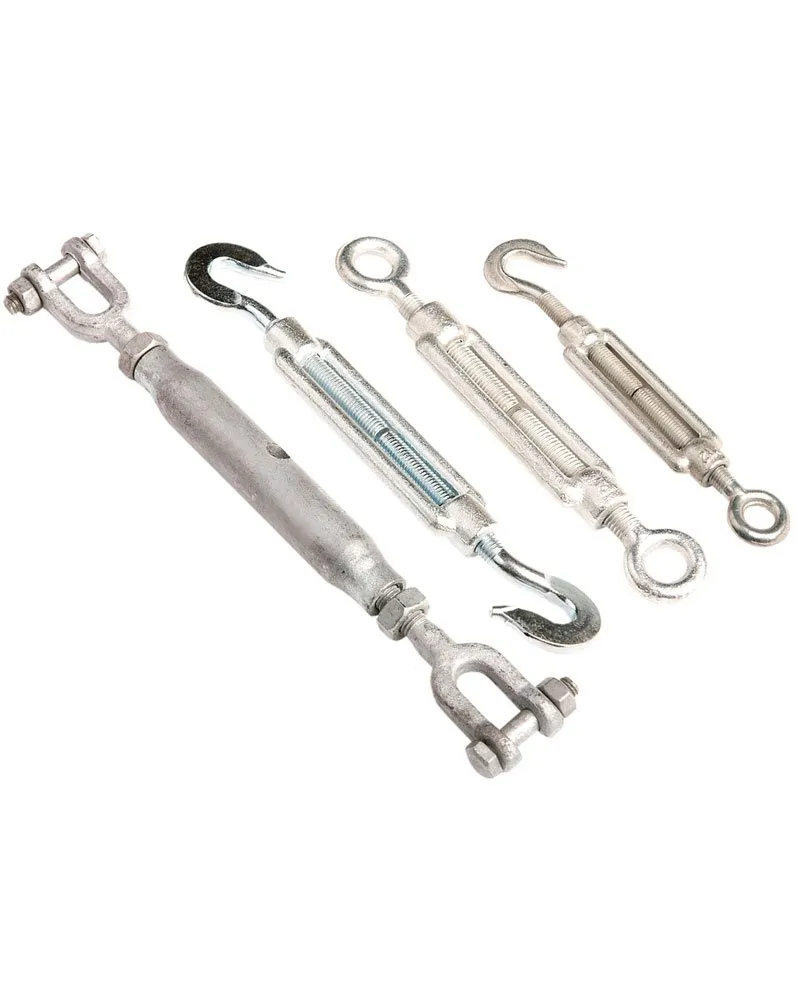
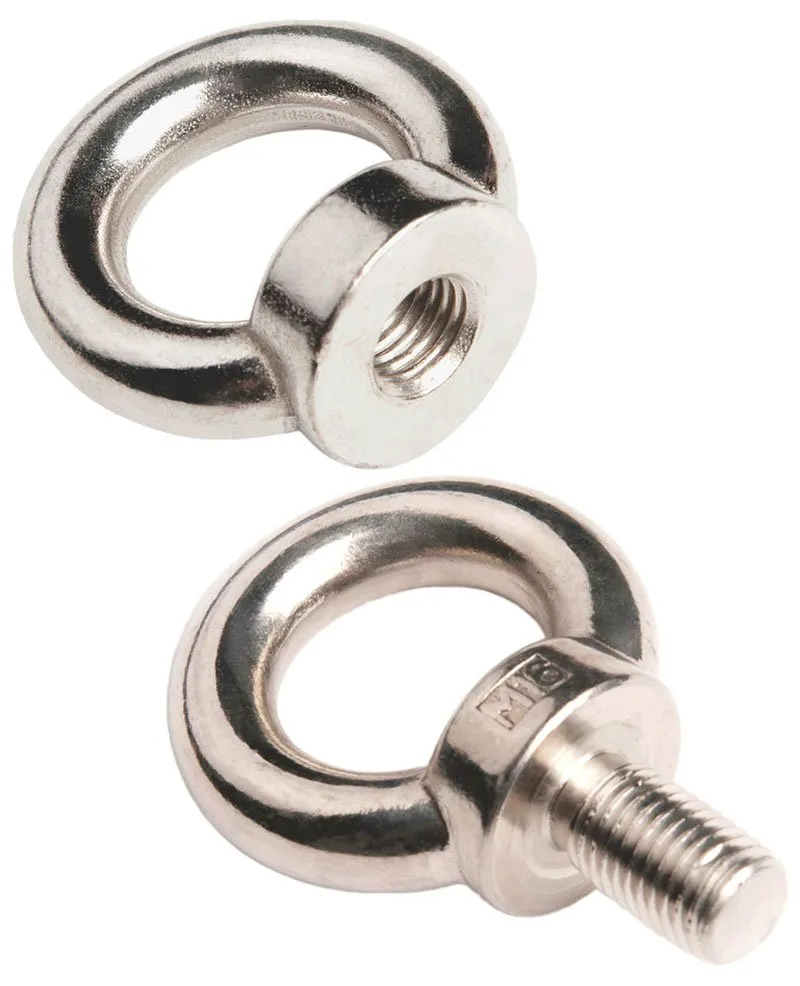
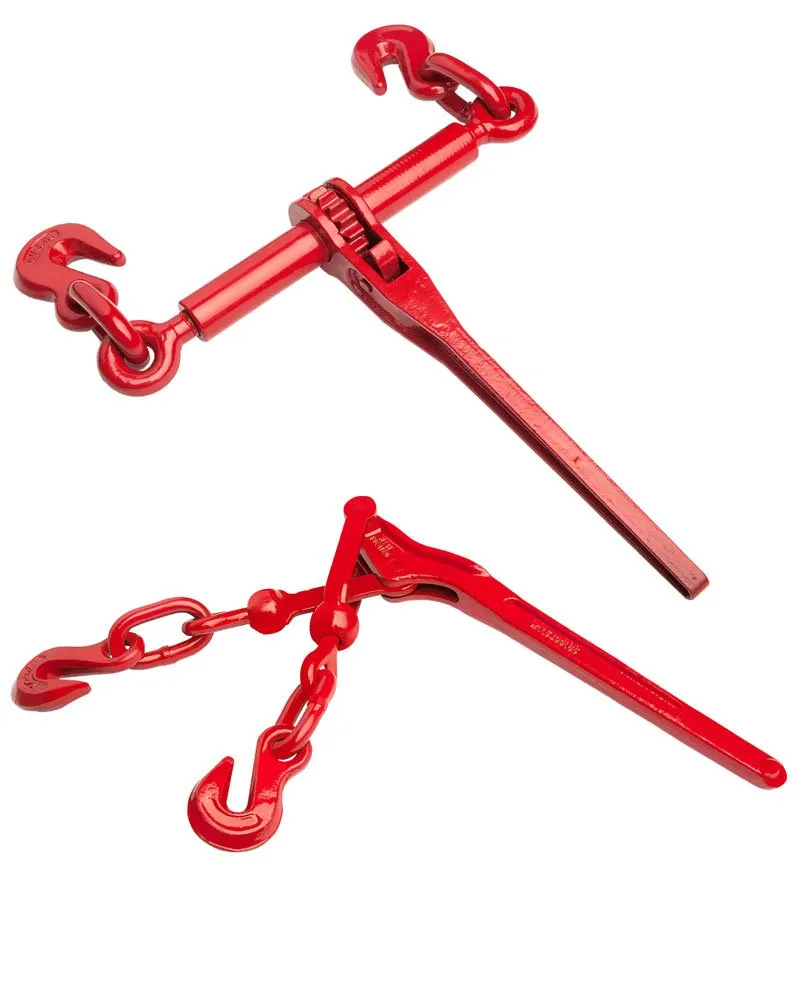
Need wire rope clamps, carabine hooks or swivels in a specific size, grade or finish? Call 011 345 8800 or email sales@toco.co.za.
Toco Lifting is approved by the Department of Labour to undertake Conformance Inspections and Performance Testing (Load Testing) per approved SABS, SANS, or relevant OEM Standard. Toco has supplied lifting, lashing and rigging equipment since 2002, operating from a Germiston head office and a Cape Town branch. Wire rope clamps, carabine hooks and swivels are rigging hardware components; they are supplied as conforming product and certified on enquiry.
What is a wire rope clamp and what is it used for?
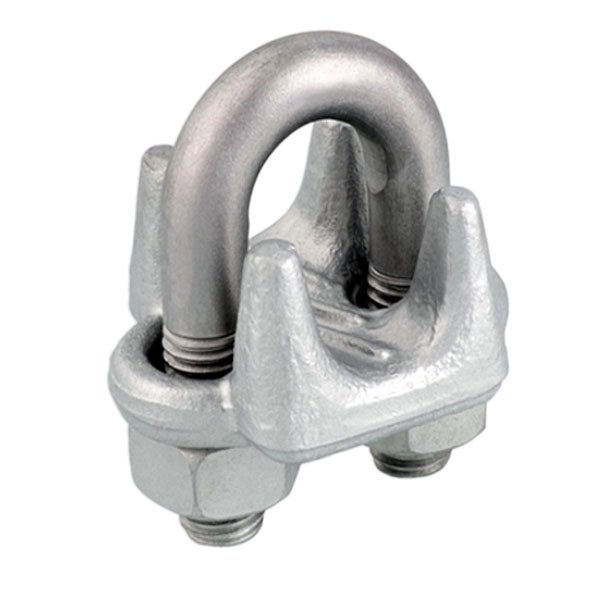
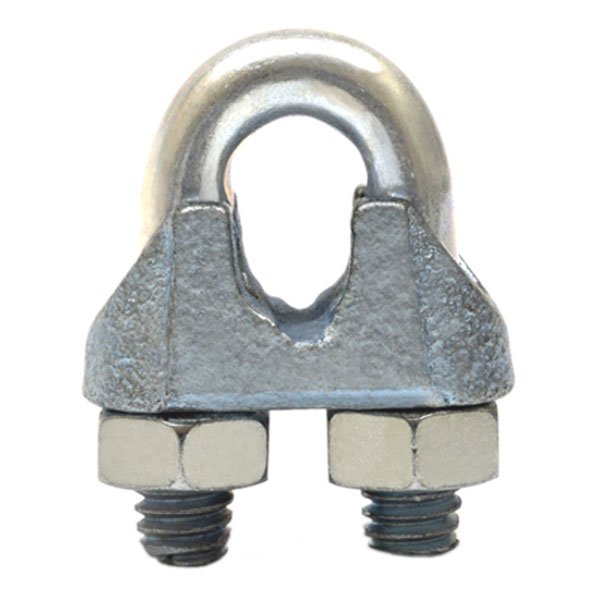
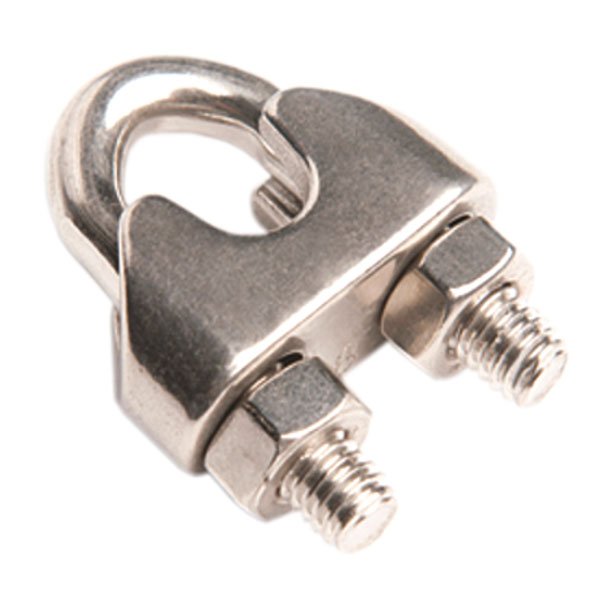
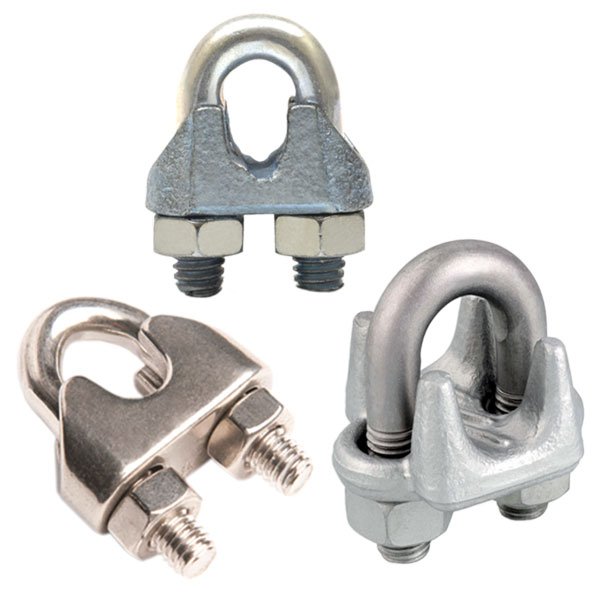
A wire rope clamp is a rigging component that grips the dead (loose) end of a steel wire rope against the live part of the rope, holding a terminated eye or loop in place. It is made up of a U-bolt, a saddle and two nuts. Wire rope clamps are commonly used to form end terminations on guy ropes, stays, fencing lines, winch ropes and temporary rope assemblies, and to join or anchor rope where a permanent swaged or spliced termination is not required.
Toco supplies wire rope clamps alongside the steel wire rope itself, so a complete rope assembly can be specified from a single supplier. For permanent, certified lifting terminations, Toco also presses and assembles steel wire rope into slings and grommets at its Germiston facility.
How are wire rope clamps fitted correctly?
Correct fitting is critical to the holding strength of the termination. The saddle of the clamp must sit on the live (load-bearing) part of the rope, and the U-bolt must sit on the dead (tail) end. The rigging principle is often summarised as “never saddle a dead horse”, meaning the saddle never sits on the dead end.
The number of clamps required, their spacing and the correct tightening torque depend on the rope diameter and the clamp size. These figures must be taken from the clamp manufacturer’s fitting data for the specific size supplied. Toco provides the applicable fitting information with the product on enquiry. A wire rope termination formed with clamps should be inspected after the rope has first taken load, and the nuts re-tightened if required.
What are carabine hooks?
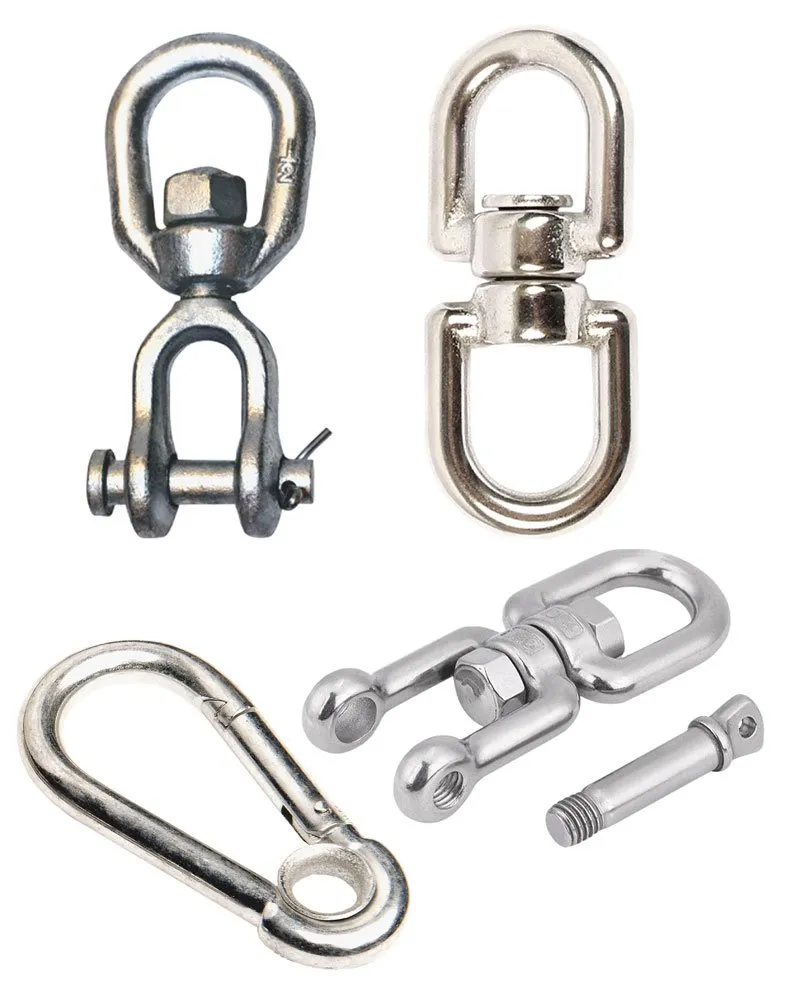
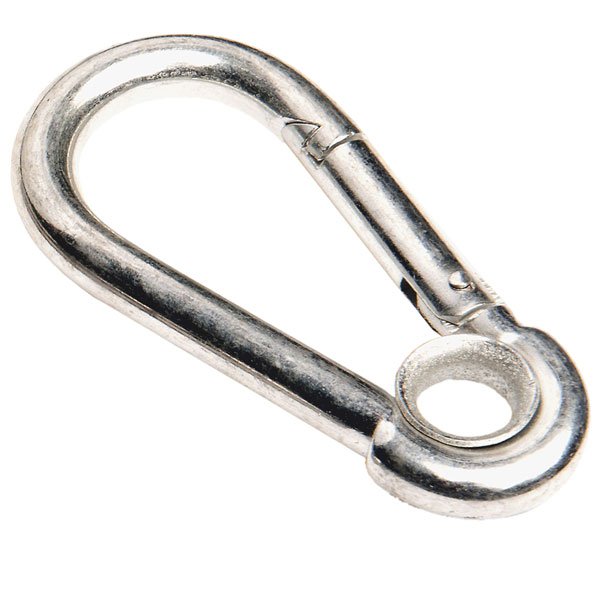
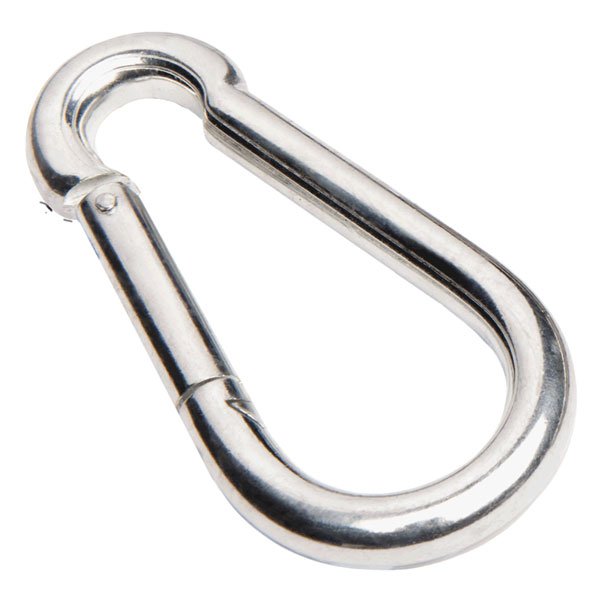
A carabine hook (carabiner) is an oblong or D-shaped metal connector fitted with a spring-hinged gate. The gate snaps closed to retain whatever the hook is connected to, and is opened by hand to connect or disconnect. Carabine hooks are used as quick-connect links and to hold a freely running rope.
Carabine hooks vary widely in size, material, gate type and rated capacity. Toco supplies carabine hooks to suit the application; the correct hook should always be matched to its intended use and rated load. Speak to Toco so the right hook is specified for the job.
What are swivels and when are they used?
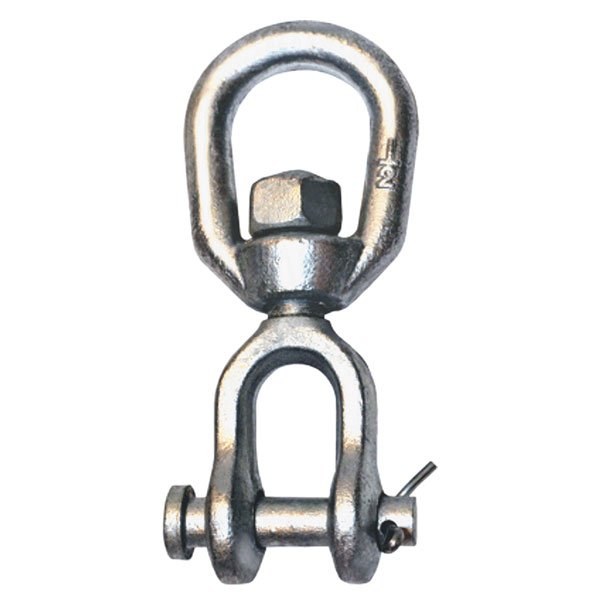
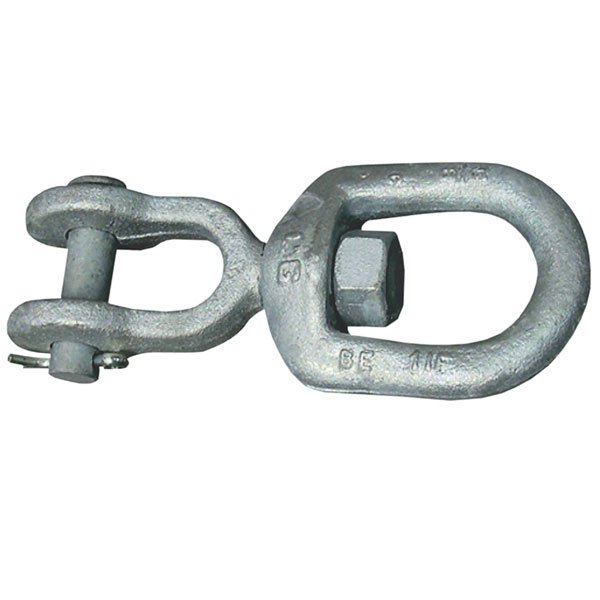
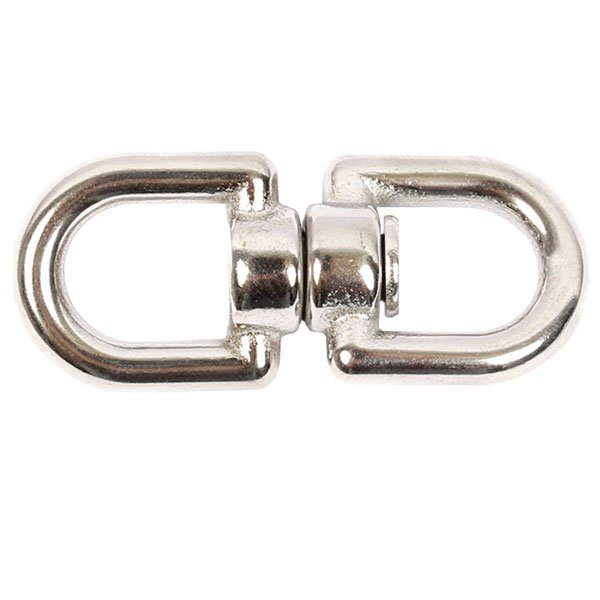
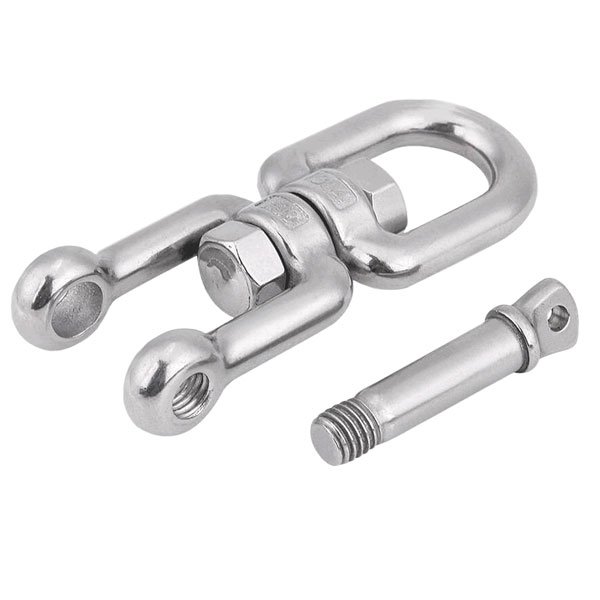
A swivel is a rigging component that allows two connected parts to rotate independently of one another. Fitted into a rope or chain assembly, a swivel lets the load, hook or rope turn freely without transmitting twist back into the assembly. This helps prevent a rope or sling from unlaying, kinking or developing torque-induced damage during a lift or while a load is suspended.
Swivels are available in different patterns, capacities and end fittings. Toco supplies swivels to suit the rope or assembly they will be fitted to. As with carabine hooks, a swivel should be selected for its rated capacity and intended duty; Toco can advise on the correct component for the assembly.
Are wire rope clamps, carabine hooks and swivels tested and certified?
Wire rope clamps, carabine hooks and swivels are rigging hardware components rather than lifting machines, so they cannot suspend or halt motion automatically once input energy stops. Where a certificate is required, these components are supplied with a Conformance Inspection Certificate, and an OEM Certificate can be provided on request for imported stock where a manufacturing trace is needed.
Wire rope clamps, carabine hooks and swivels are rigging components and are not within the five equipment categories of Toco’s LME 008 testing scope; LME 008 applies to Toco at the corporate-registration level. When a wire rope assembly is built up into a certified sling, the assembled sling is inspected and certified separately. Toco supplies the correct certification with the product on enquiry.
What sizes, grades and finishes are available?
Wire rope clamps, carabine hooks and swivels are stocked and sourced in a range of sizes, materials, grades and finishes to suit the rope and the application. Rather than publishing a fixed list, Toco specifies each component to the rope diameter and the duty so the correct part is supplied.
To get the right wire rope clamp, carabine hook or swivel, give Toco the rope diameter, the intended use and any finish requirement (for example self-colour, galvanised or stainless steel). Toco confirms the available sizes, grades, finishes and the matching certificate on enquiry.
Which industries use wire rope clamps and rigging connectors?
Wire rope clamps, carabine hooks and swivels are general-purpose rigging components used wherever steel wire rope is terminated, connected or anchored. Typical settings include construction, heavy engineering and daily preventative maintenance, among many other heavy industrial applications. Toco does not limit who it supplies; if your application uses steel wire rope, Toco can supply the components to terminate and connect it.
Related products and information
Speak to Toco Lifting about wire rope clamps, carabine hooks and swivels. Call 011 345 8800, email sales@toco.co.za, or request a quote online.
Frequently asked questions
What is the difference between a wire rope clamp and a swaged termination?
A wire rope clamp forms a bolted, mechanically gripped termination that can be fitted on site and adjusted or removed. A swaged (pressed) termination is a permanent ferrule pressed onto the rope. Toco presses and assembles steel wire rope into permanent, certified slings and grommets at its Germiston facility, and supplies wire rope clamps for terminations that need to be field-fitted or temporary.
Which way round does a wire rope clamp go?
The saddle of the clamp sits on the live, load-bearing part of the rope and the U-bolt sits on the dead, tail end. This is the basis of the rigging rule “never saddle a dead horse”. Fitting a clamp the wrong way round reduces the holding strength of the termination.
How many wire rope clamps do I need on a rope?
The number of clamps, their spacing and the tightening torque depend on the rope diameter and the clamp size, and must be taken from the manufacturer’s fitting data for the size supplied. Toco provides the applicable fitting information with the product on enquiry rather than relying on a general rule of thumb.
Are Toco’s wire rope clamps galvanised or stainless steel?
Wire rope clamps are supplied in different finishes to suit the application and environment. Toco confirms the finishes available, including galvanised and stainless steel options, on enquiry. Tell Toco the rope diameter and where the clamp will be used so the correct finish is supplied.
Can Toco supply the wire rope as well as the clamps?
Yes. Toco stocks steel wire rope and supplies wire rope clamps, carabine hooks and swivels alongside it, so a complete terminated or connected rope assembly can be specified from one supplier. For certified lifting slings and grommets, Toco presses and assembles the rope itself.
What certificate is supplied with wire rope clamps and rigging connectors?
These components are supplied with a Conformance Inspection Certificate where a certificate is required, with an OEM Certificate available on request for imported stock that needs a manufacturing trace. They are rigging hardware components and are not within Toco’s LME 008 testing categories.