
Synthetic Rope
Synthetic Rope
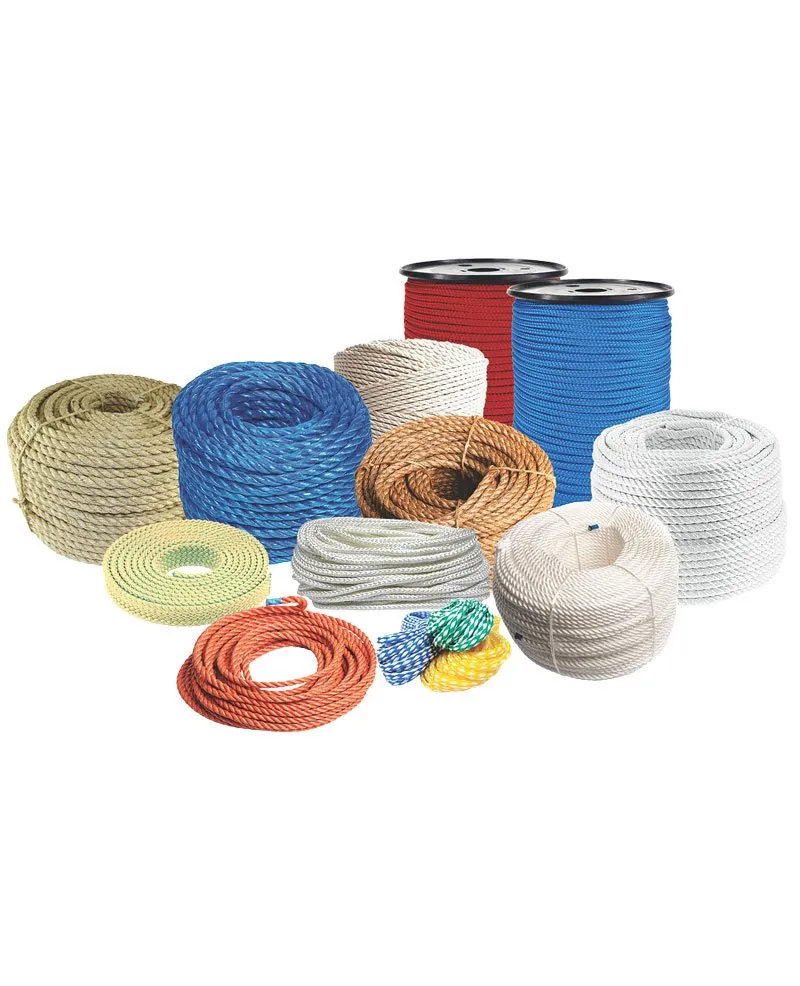
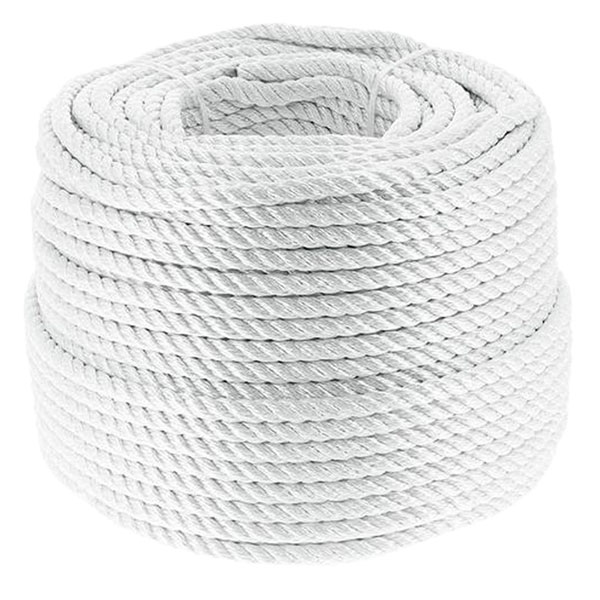
Toco Lifting (Pty) Ltd supplies synthetic rope across South Africa and SADC, in polyester and polypropylene constructions for towing, vehicle recovery, load lashing and lighter lifting and pulling work. Synthetic rope offers an excellent strength to weight ratio and is safer on failure than steel wire rope, falling flat rather than recoiling. Toco cuts and supplies synthetic rope to length and advises on the right material for the application.
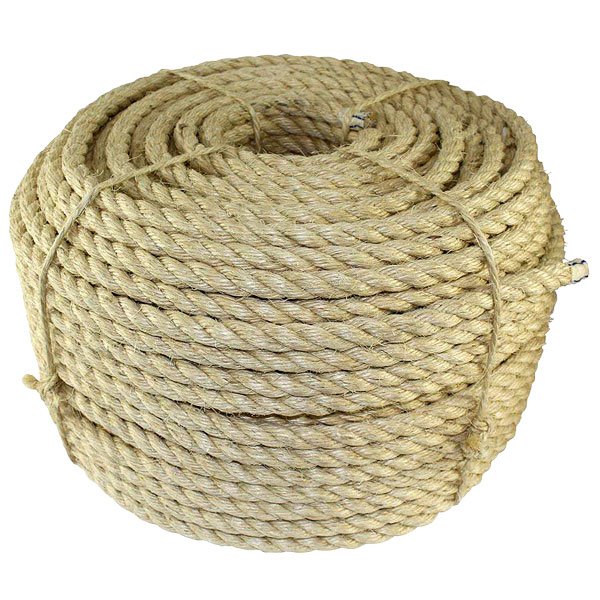
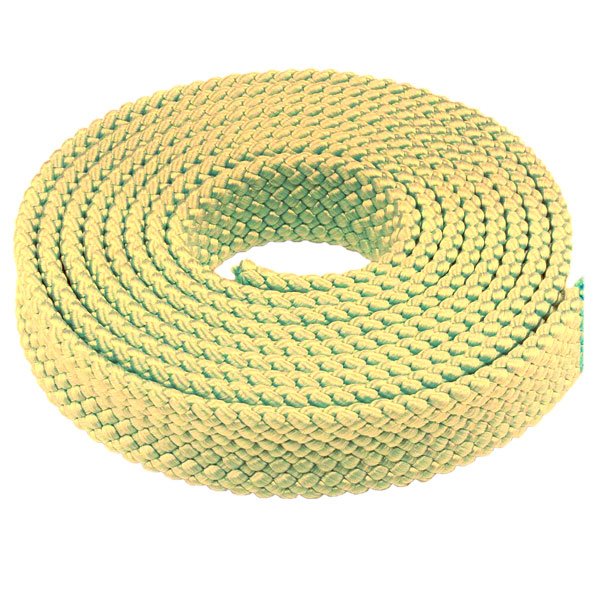
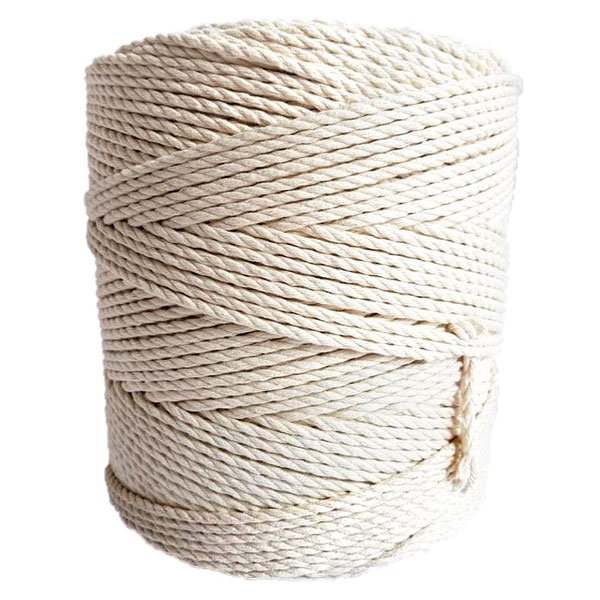
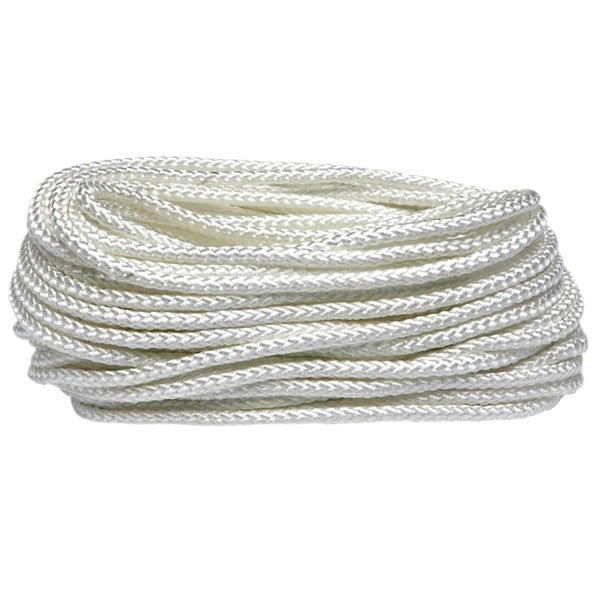
Toco Lifting supplies a wide variety of synthetic rope, manufactured by braiding together different types of fibres in a number of different designs to suit many applications, from mining, construction, sports, fishing and seafaring. To assist you in choosing the best rope for your needs we have listed the various features and usage per rope type, but should you require further assistance our experienced staff are always happy to advise you.
- Supplied by a registered LME (LME 008)
- Enquiry only, quoted to your load
Delivery and lead time: [DELIVERY & LEAD TIME: CONFIRM WITH TOCO]
Need synthetic rope cut to length, or advice on polyester versus polypropylene for your job? Call 011 345 8800 or email sales@toco.co.za.
Toco Lifting has supplied lifting, lashing and rigging equipment since 2002, operating from a Germiston head office and a Cape Town branch, and is a registered Lifting Machinery Entity, LME No. 008. Synthetic rope is supplied as a lashing and general-purpose product alongside Toco’s steel wire rope, sling and rigging ranges, so the rope can be matched to the duty rather than assumed.
What is synthetic rope used for?
Synthetic rope was introduced in the mid-1990s as an alternative to steel cable for applications where weight, handling and corrosion resistance matter. It gives strong lifting and pulling performance compared with natural-fibre rope, an outstanding strength to weight ratio, and a safer failure mode than wire rope because the lighter line falls flat instead of recoiling. It is a cost-effective alternative to wire rope across many duties. Synthetic rope is best suited to towing, vehicle recovery, load lashing and lighter lifting and pulling work, rather than heavy permanent lifting installations, where steel wire rope remains the stronger choice.
Polyester or polypropylene, which should you choose?
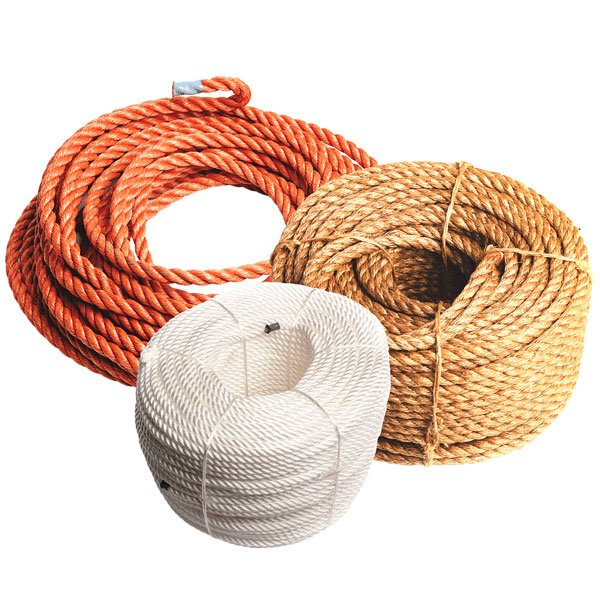
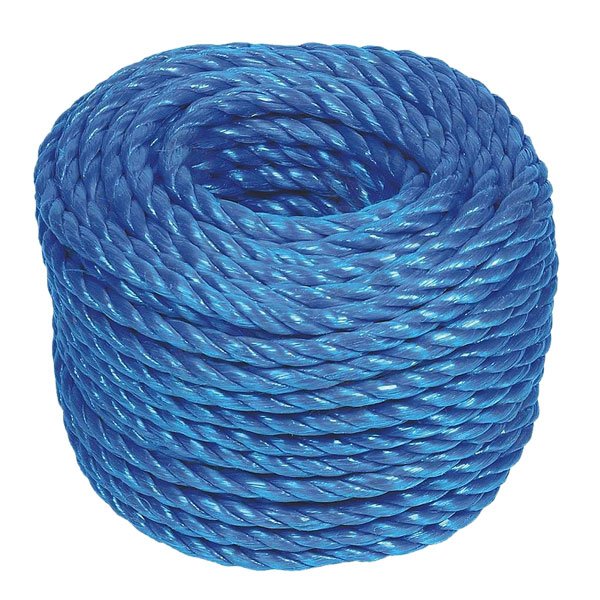
The two materials behave differently and the right one depends on the job. Polyester is the stronger, lower-stretch fibre and holds up well under sustained load and UV exposure, which suits it to lashing and controlled pulling. Polypropylene is lighter, floats on water and resists chemicals, which suits it to lighter-duty and marine handling work. Both are stocked; Toco will advise on the material best matched to your load, environment and handling needs.
| Consideration | Polyester | Polypropylene |
|---|---|---|
| Strength | Higher tensile strength | Lighter duty |
| Stretch under load | Lower stretch | Higher stretch |
| Water | Absorbs some water | Floats; does not absorb water |
| Typical use | Lashing, controlled pulling | Lighter-duty and marine handling |
Speak to Toco to confirm the material and diameter for your application. Other synthetic constructions are sourced on enquiry.
Synthetic rope or steel wire rope?
Synthetic and steel wire rope each have a place, and the choice comes down to the application, temperature, terrain and maintenance commitment. The comparison below sets out the practical differences.
| Factor | Synthetic rope | Steel wire rope |
|---|---|---|
| Strength to weight | Excellent | Good |
| Behaviour on failure | Falls flat, safer | Recoil risk |
| Heat resistance | Loses strength above 60 °C; melts above 120 °C | Excellent |
| Elongation under load | Significant | Minimal |
| Cost | Lower | Higher |
| Best for | Towing, recovery, lighter lifting | Heavy lifting, permanent installations |
Either rope performs well when in good condition and correctly selected. For heavy lifting and permanent installations, see Toco’s steel wire rope range.
Heat, UV and the limits of synthetic rope
Synthetic rope has clear operating limits that must be respected. It loses strength above roughly 60 °C and melts above roughly 120 °C, so friction points and proximity to hot machinery or exhaust systems are a real concern. It also elongates significantly under load, which makes it less suited to precision lifts where stretch must be minimised. It is not the right choice for the lightest load applications or for heavy permanent lifting. Polyester resists UV well, which matters for ropes left in sunlight on outdoor and fleet duties. Matching the rope to the working environment is the key to safe service life, and Toco will advise.
Cut to length and supplied in bulk. Toco cuts synthetic rope to the length you need and supplies un-terminated rope for industrial lashing. Tell Toco the material, diameter and length required for a quote.
Where synthetic rope is used
| Sector | Typical synthetic rope duty |
|---|---|
| Transport and fleet | Towing, load lashing and cargo securing |
| Mining and construction | Vehicle recovery, hauling and lighter pulling work |
| Marine and fishery | Deck handling and lighter-duty work, where a floating rope is an advantage |
| General industry | Lashing, lighter lifting and pulling, general-purpose rope work |
Toco does not limit synthetic rope to these sectors. Rope is cut and supplied for any lashing, towing or lighter lifting duty. For heavy lifting, Toco supplies steel wire rope, wire rope slings and chain slings.
Working load limit and breaking load
Two figures govern safe use of any rope. The breaking load is the load at which the rope physically fails. The working load limit (WLL) is the rated safe service load, calculated as the breaking load divided by a safety factor. A rope is never worked at its breaking load. The correct safety factor and the rated WLL depend on the rope material, construction and the way it is used. For the working load limit of a specific synthetic rope, request the rope specification from Toco rather than working from a generic figure, and never exceed the rated WLL. Toco’s synthetic rope is supplied to SANS 94-1 and SANS 94-2.
Related products and guides:
Steel Wire Rope ·
Steel Wire Rope Slings ·
Lashing Equipment ·
Testing & Certification ·
About Toco Lifting
Frequently asked questions
What is the difference between polyester and polypropylene rope?
Polyester is the stronger, lower-stretch fibre and resists UV well, which suits it to lashing and controlled pulling. Polypropylene is lighter, floats on water and resists chemicals, which suits it to lighter-duty and marine handling work. Toco stocks both and will advise on the right material for your load and environment.
Is synthetic rope stronger than steel wire rope?
Synthetic rope has an excellent strength to weight ratio, but steel wire rope remains the stronger choice for heavy lifting and permanent installations. Synthetic rope is best for towing, recovery, lashing and lighter lifting and pulling. Steel wire rope handles heat far better and elongates very little under load.
Can synthetic rope be used near hot machinery?
Care is needed. Synthetic rope loses strength above roughly 60 °C and melts above roughly 120 °C, so friction points and proximity to hot machinery or exhaust systems are a real concern. Where heat is a factor, steel wire rope is the safer choice. Toco will advise on the right rope for the working environment.
Why is synthetic rope considered safer on failure?
If a synthetic rope fails under load, the lighter line tends to fall flat rather than recoil. Steel wire rope carries a recoil risk on failure because of its weight and stored energy. This safer failure behaviour is one of the main reasons synthetic rope is chosen for towing and recovery work.
Can Toco supply synthetic rope cut to length or in bulk?
Yes. Toco cuts and supplies synthetic rope to the length you need and supplies un-terminated rope in bulk for industrial lashing. Specify the material, diameter and length required, then call 011 345 8800 or email sales@toco.co.za for a quote.
When should a synthetic rope be retired?
A synthetic rope should be removed from service when it shows abrasion, cuts, fraying, chemical or heat damage, or any loss of integrity at terminations. Inspect rope regularly and retire it on any sign of significant damage rather than relying on age alone. Toco can advise on inspection and replacement. Request a synthetic rope quote. Tell Toco the material, diameter and length you need, or ask for advice on polyester versus polypropylene for your application. Call 011 345 8800 or email sales@toco.co.za . Germiston head office and Cape Town branch, supplying South Africa and SADC.

Need Synthetic Rope quoted?
Send the load, the lift and the duty cycle. The right unit comes back priced.